The 2000s brought a distinct mix of glossy, straightened looks and chunky, accessory-heavy styling, often within the same year. It was a decade defined by strong tools like the flat iron becoming widely accessible, paired with bold accessories and highlighting techniques that gave the era its own unmistakable identity.
Many of these styles have resurfaced in recent years, often reworked with today’s more advanced tools and healthier styling products, but the core silhouettes and techniques remain instantly recognizable as belonging to the decade.
This guide covers fifteen 2000s hairstyles worth revisiting, along with tips for recreating each one using current tools and products, so you can bring a bit of throwback styling into your routine today.
Some of these looks require little more than a change in product or accessory, while others, particularly color-driven techniques, are worth planning around a salon visit rather than attempting entirely at home.
For the decade that came right before, see our guides to 90s hairstyles and 90s hairstyles for black women.
Pin-Straight Hair With a Side Part

Pin-straight hair, achieved with the newly popular flat iron and paired with a deep side part, became one of the defining everyday looks of the early decade, prized for its sleek, glossy finish.
This style suits most hair types, though naturally straight or wavy hair requires less heat and effort to achieve full smoothness than very curly or coily textures.
A flat iron used in small sections, combined with a heat protectant and finishing serum, achieves the glass-like smoothness and shine this look depends on.
This style remains one of the most enduringly popular everyday looks, largely unchanged from its original form thanks to how consistently flattering it reads.
Chunky Highlights With Layers

Combining chunky, high-contrast highlights with heavily layered hair created significant dimension and movement, becoming one of the decade’s most recognizable color and cut pairings.
This combination works particularly well on medium to long hair, where the layering gives the highlights room to show through as the hair moves.
Because the placement and width of the highlights define this look, working with an experienced colorist matters considerably more here than with more subtle, blended techniques.
A gloss treatment between salon visits helps maintain the contrast and shine, since chunky highlights can dull more visibly than finer, blended techniques.
The Zig-Zag Side Braid

A side braid worn draped over one shoulder, often paired with otherwise straight hair, offered a decorative but simple way to add detail without committing to a fully braided style.
This style works on most hair lengths, and it remains one of the more straightforward, recognizable looks to recreate from the era.
Starting the braid slightly behind one ear and letting it fall loosely over the shoulder, rather than braiding tightly, more closely recreates the relaxed styling typical of the time.
This style also pairs easily with other looks on this list, like pin-straight hair, offering a quick way to add detail without much extra time.
The Feathered Layers

Long, face-framing layers styled to flip and feather outward brought movement and dimension to hair worn both straight and wavy throughout the decade.
This cut suits medium to long hair with some natural body, since the feathered effect depends on enough length and layering to create visible movement.
A round brush used while blow-drying, curving the ends outward rather than under, recreates the signature feathered flip this cut is known for.
This cut has resurfaced with renewed popularity recently, often cut with slightly softer layers than the original for a more current, blended finish.
The Claw Clip Updo

A large claw clip used to gather hair into a loose, slightly messy updo offered one of the quickest, most practical styling solutions of the decade, balancing effort and polish.
This style works on most hair lengths and textures, and it remains one of the easiest 2000s looks to recreate with minimal time or skill required.
Twisting the hair loosely before clipping, rather than gathering it straight up, adds texture and volume that helps the style look more deliberate rather than simply thrown together.
Because it takes only a minute or two, this remains one of the most practical throwback styles for busy mornings even today.
The Crimped Accent.

Rather than crimping the entire head, this style used a crimping iron on small, selected sections mixed into otherwise straight hair, adding textural contrast without committing to a fully crimped look.
This technique works on most hair types and lengths, and it’s a relatively low-commitment way to bring a bit of the era’s texture into a more current style.
Sectioning off a few pieces near the front or crown before crimping, while leaving the rest of the hair straight, produces the selective, accented effect this style depends on.
Modern mini crimping irons make this selective technique considerably easier to control than the larger tools originally used for the style.
The Voluminous Blowout Curl

Big, bouncy curls with noticeable volume at the roots, achieved primarily through blow-drying technique and a large curling iron, became a signature red-carpet and going-out style throughout the decade.
This style works well on most hair lengths, and it’s particularly effective on hair with some natural body that can hold the volume through the day.
A large-barrel curling iron used on sections curled away from the face, followed by a gentle brush-through once cooled, achieves the soft, voluminous curl this style depends on.
This look remains a reliable choice for special occasions, since the volume and bounce photograph particularly well.
The Emo Side Swoop

A heavy, choppy fringe swept dramatically across the forehead to one side became closely associated with the alternative styling of the later part of the decade, often paired with layered, textured length.
This style suits straight to wavy hair particularly well, where the swept fringe holds its angled direction more easily than on very curly textures.
A flat iron used to smooth and direct the fringe to one side, followed by a light-hold gel at the root, keeps this dramatic swoop in place throughout the day.
This style has seen a notable resurgence among a younger generation discovering the decade’s alternative styling for the first time.
The Bump It Volume
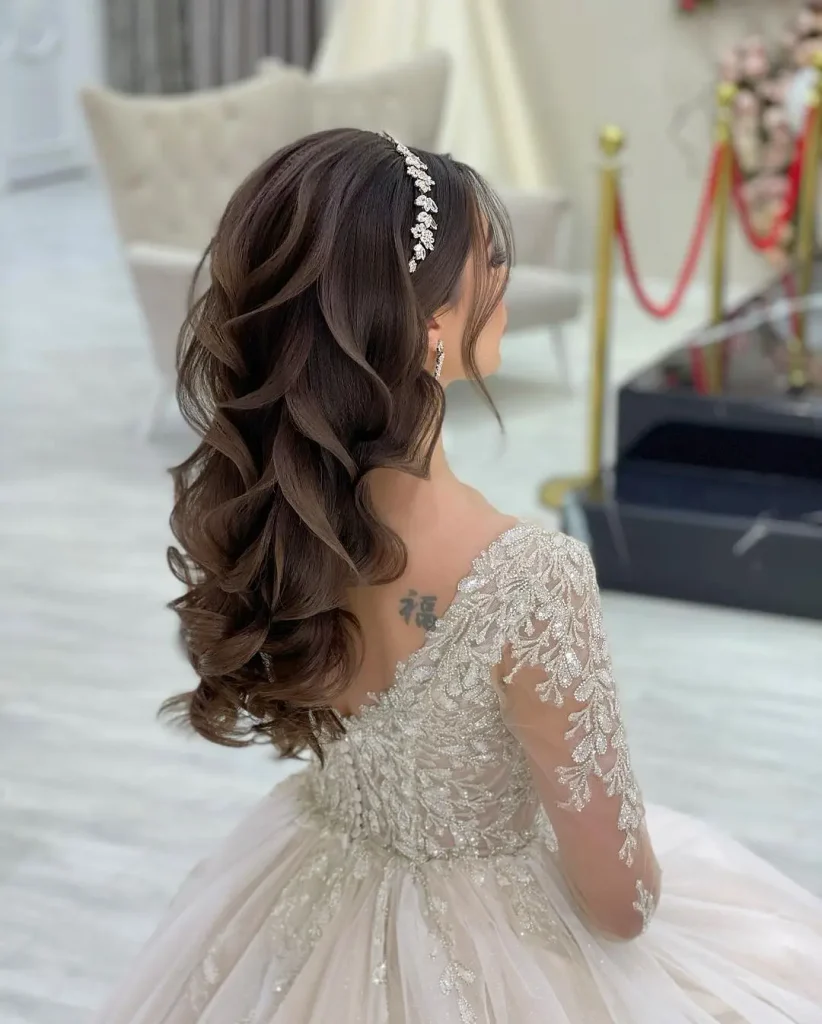
Significant lift at the crown, whether created with a bump-up styling insert or achieved through heavy backcombing, added dramatic height to otherwise simple styles like ponytails and half-up looks.
This style works on most hair lengths, and it’s particularly effective for anyone wanting to add noticeable height without a full updo.
Backcombing a small section at the crown before smoothing the top layer over it achieves a similar lifted effect without needing a specific styling tool.
A light dusting of dry shampoo before backcombing adds grip, helping the lifted volume last considerably longer throughout the day.
The Ombre-Style Sun-Kissed Ends

Though the term wasn’t yet in common use, naturally sun-lightened ends, or a salon version of the same effect, brought a lived-in, lighter tone specifically to the ends of otherwise darker hair.
This technique works particularly well on medium to dark base colors, where the contrast with lightened ends is most visible.
A gradual, hand-painted lightening technique applied primarily to the lower half of the hair achieves this soft, sun-kissed effect without the harsher line a solid dye job would create.
This technique laid much of the groundwork for the more refined balayage methods that became popular in the years that followed.
The Half-Up Twist With Bangs

Combining a simple half-up twist with a straight, blunt fringe offered a practical everyday style that kept hair off the face while still showing off a defined fringe.
This style suits most hair lengths and textures, and it’s a good option for anyone who wants some hair secured without committing to a fully pulled-back look.
Securing the twisted section with a few bobby pins, rather than a visible clip, keeps the finished look closer to how this style was typically worn during the era.
This combination remains practical for school or work settings, since it keeps hair controlled without requiring much daily effort.
The Sleek High Ponytail

A fully smoothed, high ponytail with a glossy, controlled finish became a go-to going-out style, often paired with a wrapped section of hair concealing the elastic.
This style suits straight to slightly wavy hair particularly well, since achieving the fully smooth base is more effort-intensive on very curly or coily textures.
A strong-hold gel combed through before gathering the ponytail, followed by a thin wrapped section around the base, recreates the clean, polished finish this style is known for.
Because the finish is quite polished, this style continues to suit formal occasions especially well, decades after it first became popular.
The Textured Pixie With Long Fringe

This cut paired a cropped, textured base with a noticeably longer fringe swept to one side, offering a distinctive silhouette that was particularly popular among those experimenting with shorter styles.
This style works particularly well on fine to medium hair, where the shorter base doesn’t require significant volume to hold its shape.
A small amount of matte paste worked through the shorter sections, paired with a smoothing cream on the longer fringe, balances texture and control across the two different lengths.
This cut’s distinctive silhouette continues to stand out among more uniform short styles, keeping it a memorable choice today.
The Double Pigtail Braids

Two braided pigtails, sometimes worn deliberately uneven or paired with different accessories on each side, brought a playful, slightly rebellious energy to an otherwise familiar style.
This style works on most hair lengths, and its casual, undone quality made it a popular choice for both everyday wear and more alternative styling throughout the decade.
Leaving the braids slightly loose rather than pulling them tightly secured recreates the relaxed, lived-in quality that defined this particular take on pigtails.
This style has become a recurring favorite at festivals and casual events, valued for how quickly it comes together.
The Glossy Blunt Bob
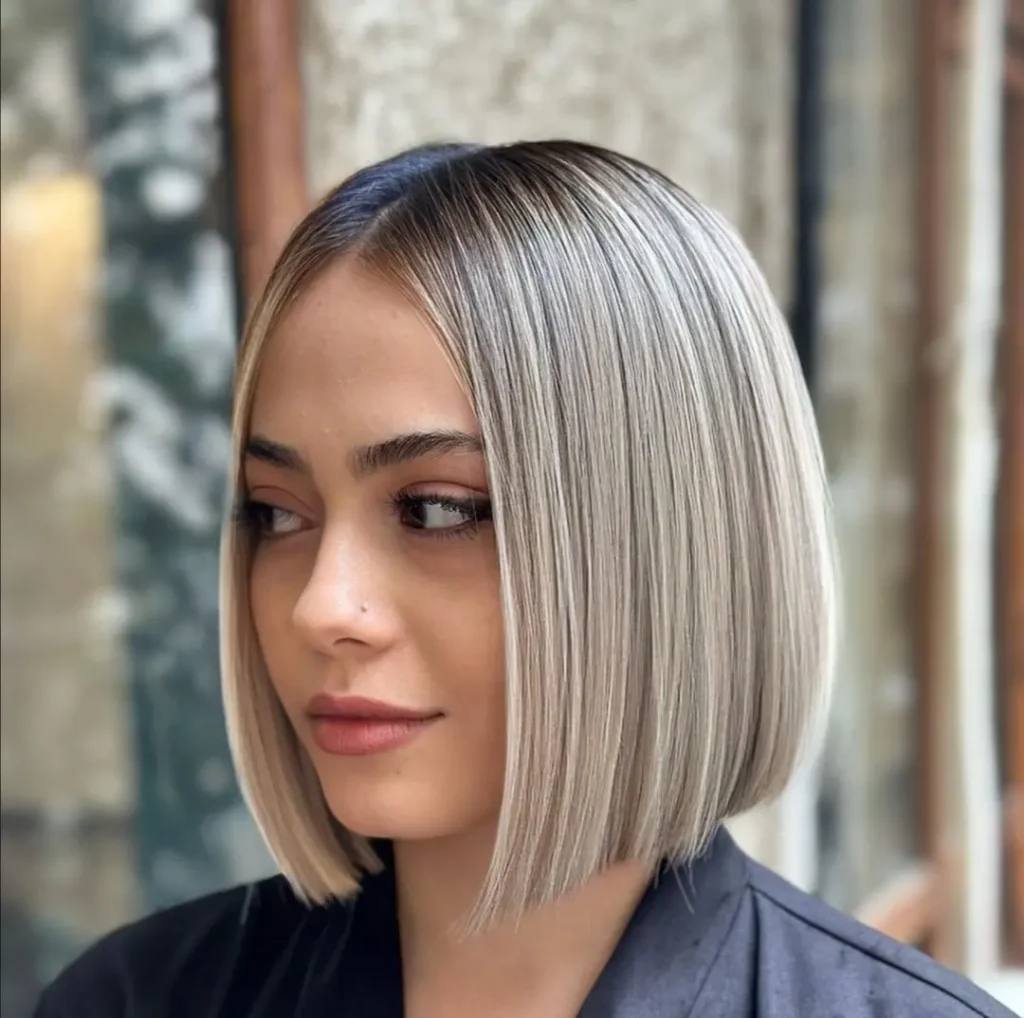
A precisely cut, chin-length bob with a completely blunt edge and a glossy, straightened finish offered a sharp, graphic alternative to the decade’s more textured and layered styles.
This cut suits straight to slightly wavy hair particularly well, since the style depends on clean, sharp lines that are more difficult to maintain on very curly or coily textures.
A flat iron used to smooth the length, followed by a lightweight shine serum applied to the ends only, keeps this cut looking crisp and precisely finished.
This cut has remained consistently in demand well beyond the decade it originated in, largely because its clean lines translate easily into modern styling.
Final Thoughts
The 2000s covered a wide range within a fairly short span, from glossy, pin-straight everyday looks to bold, accessory-driven styles built around volume and texture. What connects them is a certain boldness, whether that meant fully committing to chunky highlights, dramatic volume, or a heavy, angled fringe.
Bringing these styles into a current routine works especially well with today’s more advanced flat irons, curling tools and lightweight styling products, which can recreate the decade’s signature looks with considerably less effort and damage than the original methods often required.
Whether you’re recreating a look exactly or simply borrowing one element, like a claw clip or a side-swept fringe, these styles have proven flexible enough to feel current decades after they first appeared.
If you’d like to wear Y2K-inspired styles day to day, you’ll also find ideas in our claw clip hairstyles, business casual hairstyles, and cozy hoodie hairstyles guides.
Frequently Asked Questions
Which 2000s Hairstyle Is Easiest to Recreate Today? The claw clip updo and the half-up twist with bangs are both relatively quick to recreate and require minimal technical skill compared to more involved looks like chunky highlights or the bump it style.
Are Chunky Highlights Still Fashionable? They’ve seen renewed interest in recent years, though often applied with somewhat softer placement than the original bold, wide streaks of the 2000s for a more wearable, updated finish.
How Do I Get Volume at the Crown Without a Bump-Up Tool? Light backcombing at the crown before smoothing the top layer over it can achieve a similar lifted effect, along with a volumizing mousse applied at the roots before blow-drying.
Can These Styles Work on Curly or Coily Hair? Some can with adaptation, particularly the claw clip updo and double pigtail braids, though styles relying on a fully smooth, straightened finish require more heat and effort on curlier textures.
What Products Help Recreate the Era’s Signature Shine? A lightweight shine serum, a heat protectant spray, and a strong-hold gel for smoother styles cover most of what’s needed to recreate the glossy finish associated with many of these looks.
Is Professional Help Necessary for Any of These Styles? Color-driven looks like chunky highlights and sun-kissed ends generally benefit from professional application, while most of the cutting and styling-based looks can be recreated at home with some practice.
How Do I Keep a 2000s-Inspired Look From Feeling Costume-Like? Choosing one or two signature elements, like a claw clip paired with straight hair, rather than combining every trend from the decade at once, tends to read as a nod to the era rather than a full recreation
2 thoughts on “2000s Hairstyles”